YouTube Is a Search Engine. Most Small Businesses Treat It Like a TV Channel.
Your customers are typing questions into YouTube right now. Here's how small businesses can get found there, using titles, descriptions, and edits built for search rather than for views.
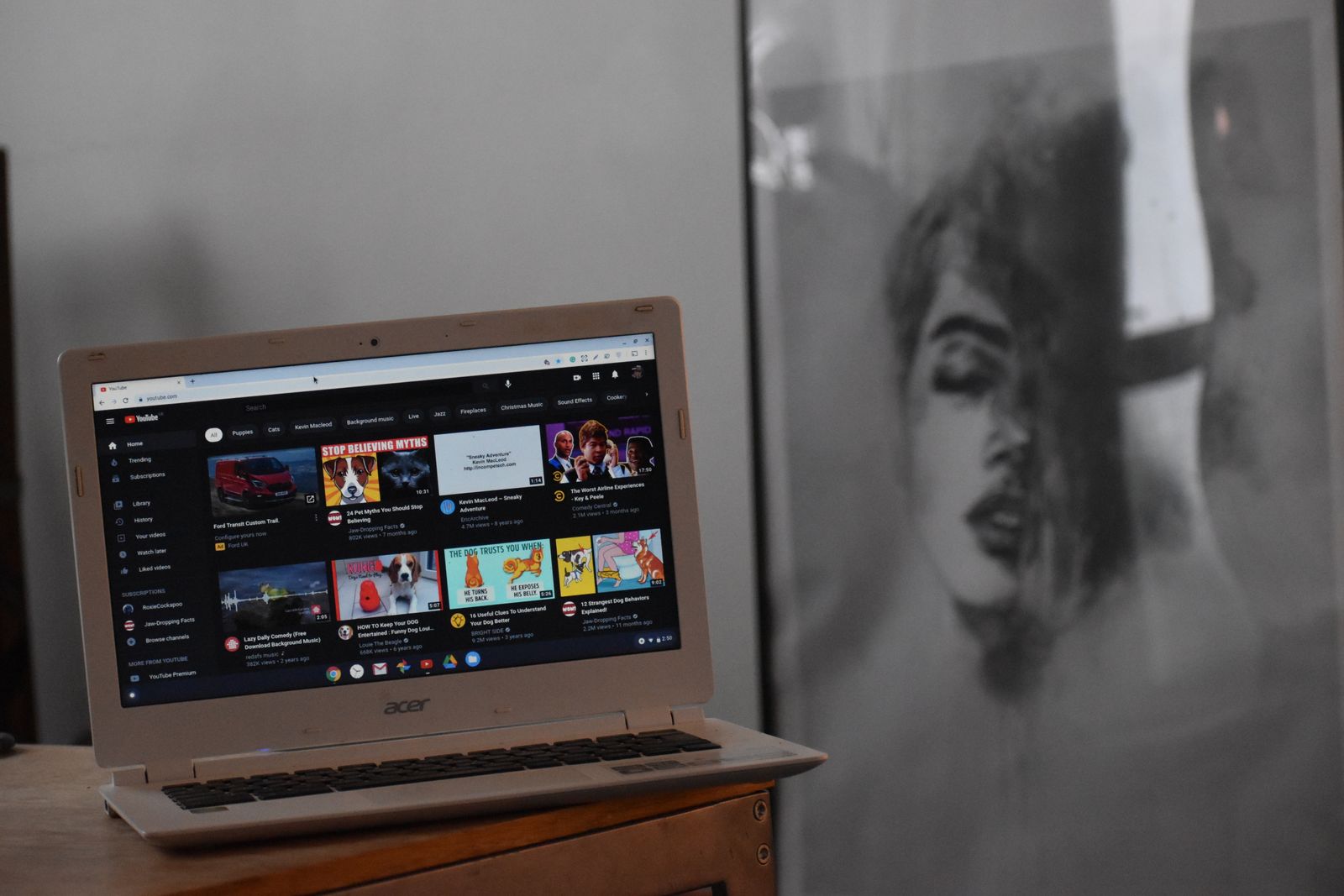
Most small business owners think about YouTube the way they think about television: you make something, you put it out, and people either watch it or they don't. Views go up for a few days, then flatten, and the whole thing starts to feel like shouting into a room that emptied out a while ago.
That framing is why so much good small business video gets no traction. YouTube isn't a broadcast channel. It's the second-largest search engine in the world, and a video uploaded to it can keep bringing in customers three years later, long after a social post from the same day has disappeared. The difference between a video that dies in a week and one that works quietly for years usually has nothing to do with production quality. It has to do with whether the video was built to answer a question somebody is actively typing.
The Difference Between Views and Being Found
A social post is a moment. It gets distributed to your followers, peaks within about 48 hours, and then it's gone. That's fine, it's what the format is for.
A YouTube video is an asset. It sits in an index. When someone searches "how much does it cost to reupholster a couch" or "what to look for in a used furnace," YouTube pulls from everything it has, including a video you uploaded eighteen months ago from your workshop. That video doesn't need to go viral. It needs to be the best answer to a question with modest, steady search volume.
This is unusually good news for a small business. You will not out-produce a national brand on entertainment. But nobody at a national brand is making a video about septic inspections in your county, and the person searching for that has real intent and is close to hiring someone.
Write the Title Like a Search Result, Not a Headline
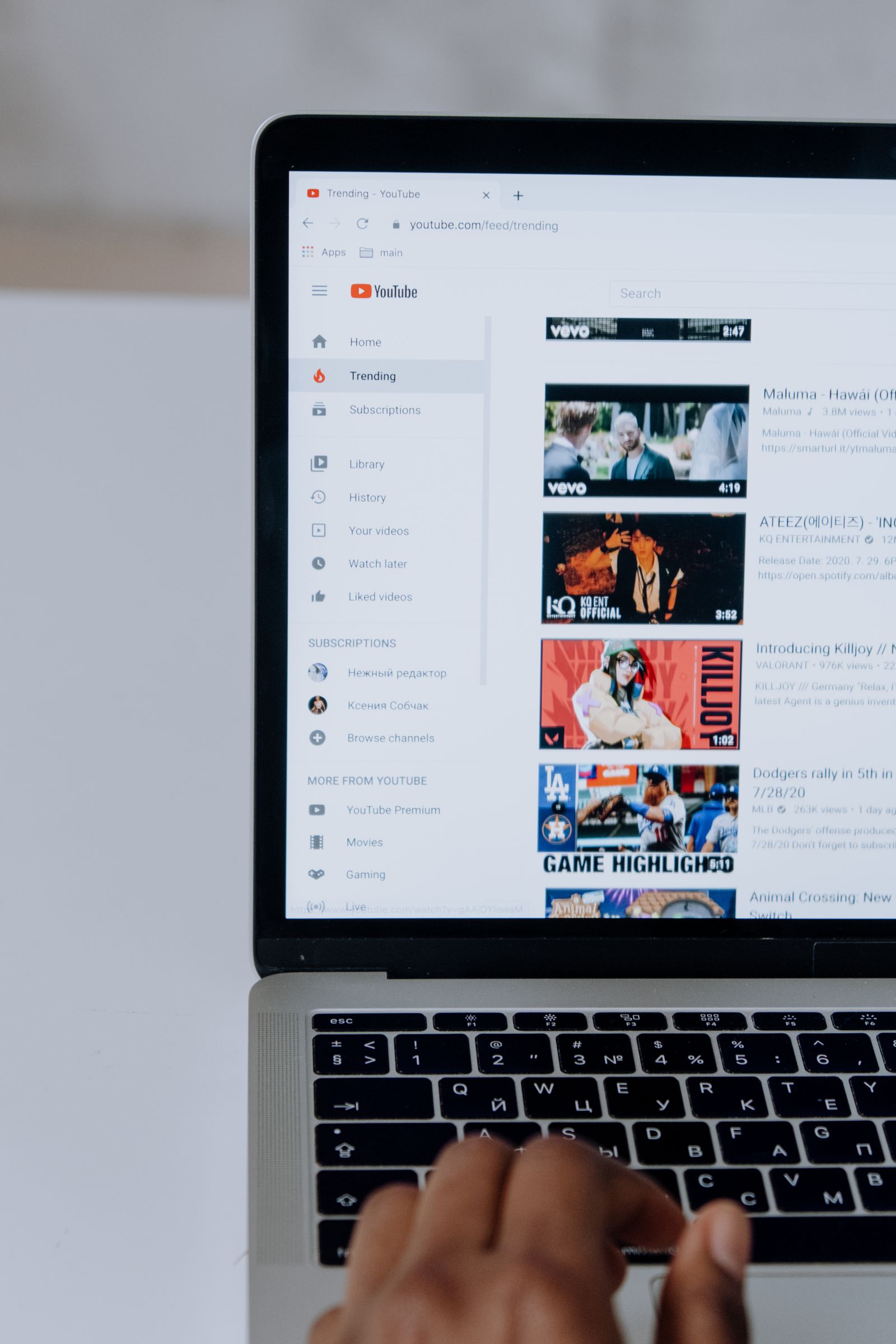
The title is where most small business videos lose before anyone presses play. Clever titles feel good and perform badly, because nobody searches for clever.
Use the customer's phrasing. "Why Your Furnace Makes a Banging Noise (And When to Worry)" beats "Winter HVAC Tips from the Team." One matches something a person typed; the other matches nothing.
Front-load the search phrase. Titles get truncated on mobile. The words that matter belong in the first forty characters or so, not after a company name.
Add location only when it matters. For a service business tied to a place, "in Hamilton" or "Ontario" narrows the competition dramatically. For a how-to that applies anywhere, leave it off, you'll reach more people.
Skip the numbering habit. "Episode 12" tells a searcher nothing. If you're running a series, put the series name at the end, after the useful part.
The Description and Chapters Do Real Work
The first two lines of your description show up in search results, so treat them as ad copy rather than throat-clearing. Restate the question the video answers and add one specific detail.
Below that, write a few honest paragraphs about what the video covers. Not keyword stuffing, actual sentences. YouTube reads this to understand your video, and so does anyone deciding whether to watch. Include your website and service area once, near the bottom.
Chapters matter more than most people expect. Adding timestamps breaks your video into labeled sections, which YouTube can surface directly in search results as jump-to points. A ten-minute video with six chapters becomes six potential entry points instead of one. Label them the way a customer would search: "What it costs," not "Pricing discussion."
Thumbnails Are Read, Not Just Seen
A thumbnail competes against nine others on a results page. Three things decide whether yours gets clicked: a face or a clear subject, three or four large words of text, and enough contrast to survive being shrunk to the size of a stamp.
Test yours by shrinking it on your phone. If you can't read the text at that size, neither can anyone else. And keep the style consistent across your channel, once someone has watched one of your videos, recognizing the next one is worth more than any individual clever design.
Edit for Completion, Not for Length
YouTube's recommendation system cares about whether people finish what they start. A tight six-minute video that most viewers complete outperforms a fifteen-minute one they abandon at minute four, and it isn't close.
For a business channel, that means cutting hard. Get to the answer in the first thirty seconds rather than saving it for the end, people who got what they needed tend to keep watching anyway, and people who didn't get it leave. Trim the pauses and restarts. Cut on movement, add a graphic or a b-roll insert when the visual has been static too long, and caption everything, since a large share of viewers have the sound off.
One more thing worth doing: end on the next video rather than a long goodbye. A short "if you're dealing with X, watch this one" keeps a viewer inside your channel, which is exactly the signal that tells YouTube to recommend you more widely.
Ten Videos Beats One Perfect One
Search visibility is cumulative. A channel with ten specific, well-titled videos answering ten real questions will out-perform a channel with one beautifully produced brand film, every time, because it has ten chances to match a query instead of one.
Pick the ten questions you actually get asked. Film them in one session. Publish one every week or two. Within a few months you have a small library working in search, and unlike ad spend, it doesn't stop the moment you stop paying.
Where This Usually Stalls
The strategy is straightforward. The execution is where small businesses run out of road, because turning a session of raw footage into ten tight, captioned, chaptered, properly packaged videos with thumbnails that hold up at thumbnail size is genuinely a lot of work, and it's the step that decides whether any of the rest of it matters.
That's the part MorganMade handles. MorganMade takes raw footage from small businesses, creators, and organizations and turns it into YouTube edits built to hold watch time, captioned short-form clips, and the graphics and thumbnails that make a channel look like it belongs there. If you've got footage sitting unused and a list of questions your customers keep asking, most of the hard part is already done.
*This post was created with the assistance of AI.*