Your YouTube Channel Is a Pile, Not a Path
Most small business channels have decent videos that lead nowhere. How playlists, end screens, and a recognizable series turn one view into three, and why that is what decides whether new people find you.
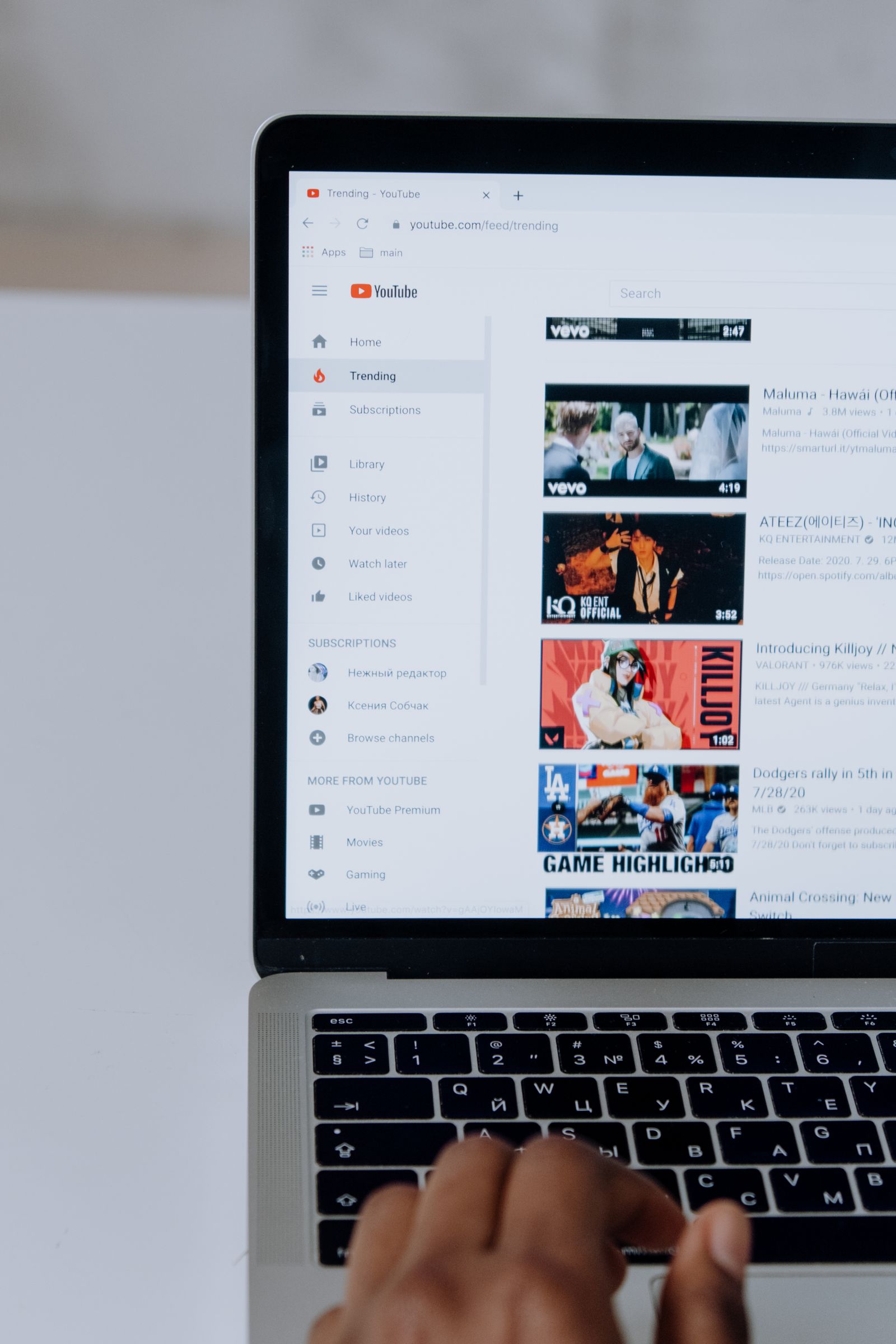
Most small business channels are a pile, not a path. Twenty-three videos, uploaded whenever there was time, sitting in reverse chronological order with no relationship to each other. Someone finds one of them, watches it, and leaves — because nothing on the page gave them a reason to watch a second one.
That second view is where the compounding happens. YouTube's recommendation system pays close attention to whether your channel keeps people on the platform, and a viewer who watches three of your videos in a row is worth far more to your visibility than three separate viewers who each watch one. The fix is rarely more filming. It is structure.
Organize by Question, Not by Date
Playlists are the most underused free tool on YouTube, partly because most people treat them as folders. They are closer to a table of contents for a customer who just discovered you.
Group your videos by the question a customer is actually asking, not by format or month. A landscaping company might have "What a Full Yard Renovation Looks Like," "Pricing and Timelines, Explained," and "Plant Choices for Our Climate." A bookkeeper might have "Getting Ready for Tax Season" and "Common Mistakes That Cost Small Businesses Money."
Name the playlist the way someone would type it into a search bar. Playlists are indexed and can surface in search results on their own, which means a well-named one is another chance to be found — not just a tidier channel page.
Make Every Video End Somewhere
An ending that says "thanks for watching" is a dead end. An ending that says "if you're wondering what this costs, I broke that down in the next video" is a door.
Three things do most of the work here: an end screen with one specific next video rather than a grid of four, a verbal pointer in the last fifteen seconds naming what comes next, and a pinned comment with the link. Pick one destination. A viewer offered a single clear next step takes it far more often than one offered a menu.
This also means the order inside a playlist matters. Put the video that answers the most common first question at the top, not the one you are proudest of.
Build a Series People Can Recognize
A series is a set of videos that look and sound like they belong together — same intro treatment, same lower-third style for names and titles, same thumbnail layout with the episode topic swapped out, same approximate length. When a viewer finishes one and sees another with matching visual language, the decision to click is almost automatic.
This is where motion graphics quietly earn their keep for a small business. A simple animated title card and a consistent caption style across a dozen videos make a one-person operation read as an established brand, and they cost nothing to reuse once they exist. The goal is not flash. It is recognition.
Give New Visitors a Front Door
Set a channel trailer for people who are not subscribed. Keep it under ninety seconds: who you are, who you help, what you post, and why it is worth their time. Then organize your channel homepage into sections built around your playlists, so a stranger sees a structured library instead of an undifferentiated feed.
Most small business channels never change these settings. It takes about twenty minutes and it changes the first impression completely.
Fix the Back Catalogue Before Filming More
If you already have a dozen videos, there is more value in organizing them than in adding a thirteenth. Spend an afternoon doing this:
- Sort every existing video into two or three playlists named after real customer questions. - Rewrite the titles that read like internal file names rather than searches. - Add or update end screens so each video points at one specific next video. - Re-cut the two or three videos that lose people in the first thirty seconds — usually the problem is a slow opening, not the content. - Add a short description to each playlist, since those get indexed too.
None of this requires a camera. All of it increases how many videos the average visitor watches, which is the signal that decides whether the platform shows your work to anyone new.
Where This Usually Breaks Down
The structure is the easy part. The hard part is keeping a series consistent over time — matching thumbnails, repeating the same intro, maintaining the caption style, keeping lengths roughly even — when you are also running the business. That consistency is exactly what gets abandoned by month three, and it is the thing that was making the structure work.
That is the part MorganMade handles. We edit YouTube videos, podcast episodes, and short-form clips for small businesses and creators, including the repeatable pieces — title cards, lower thirds, thumbnail templates, caption styling — that make a set of videos feel like a series instead of a pile. If you have a channel with good content that is not leading anyone anywhere, that is a fixable problem, and usually a faster one than you would expect.
*This post was created with the assistance of AI.*