Your Phone Camera Is Fine. Your Lighting Isn't.
The thing that makes small business video look cheap is almost never the camera. Here is how to light yourself using a window you already have, the three mistakes that flatten a video, and what is actually worth buying.
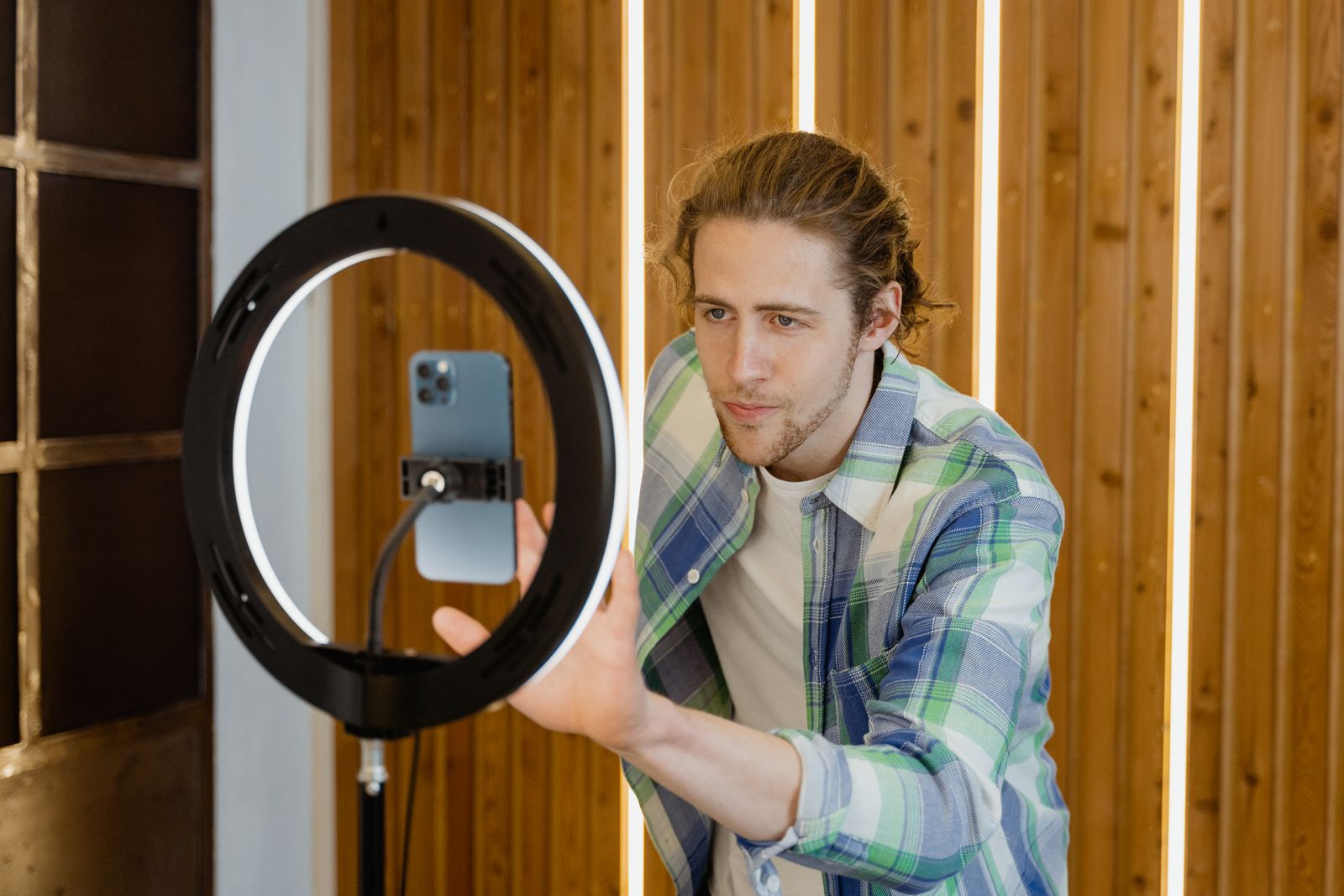
Every few months a business owner tells me they are thinking about buying a better camera, because their videos look a bit amateur and they assume the phone is the reason. It almost never is. The phone in your pocket shoots sharper footage than broadcast cameras did fifteen years ago.
What makes a video look cheap is the light hitting your face. Dim, overhead, orange, uneven, different in every clip. Fix that and the same phone you already own starts producing footage that looks like you paid someone.
Why Light Decides How Expensive You Look
A camera does not see the way your eye does. Standing in your shop, your brain quietly corrects for the yellow bulbs and the shadow under the shelf, so the room looks fine to you. The sensor has no such ability. It records exactly what is there, and when there is not much light it compensates by amplifying the signal, which is what produces that grainy, slightly muddy texture people read as low effort.
Soft, bright, front-facing light does three things at once. It removes the grain, because the sensor no longer has to strain. It smooths the shadows under your eyes and jaw, which is most of what people mean by looking good on camera. And it keeps skin tones consistent, so you look like the same person in every shot.
Start With the Window You Already Have
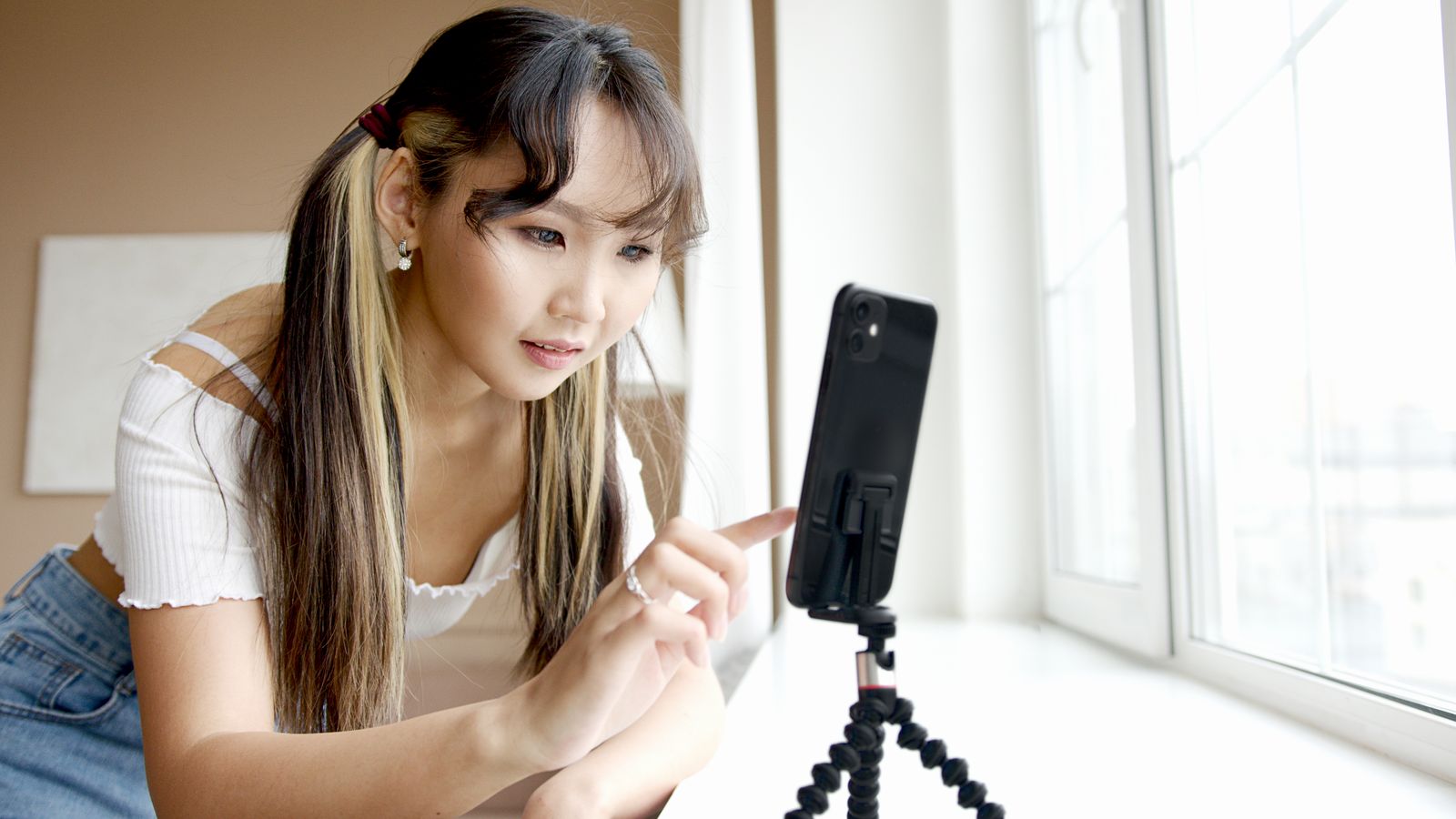
The best light available to most small businesses is free, and it is already in the building.
Face the window, do not sit in front of it. This is the single most common error. With the window behind you, the camera exposes for the bright glass and your face goes dark. Turn around so the daylight lands on you.
Pick a window that is not getting direct sun. North-facing is ideal. Direct sunlight is hard light: it carves deep shadows and makes people squint. An overcast day is a free softbox.
Sit close to it, then a little closer. Light falls off fast. Two feet from the window looks soft and flattering. Ten feet away looks like an office.
Turn the ceiling lights off. Mixing daylight with warm bulbs gives you a blue-grey face on one side and an orange face on the other, and no amount of colour correction fully rescues it. One source of light is almost always better than two bad ones.
The Three Mistakes That Flatten a Video
Overhead light only. Ceiling spots put shadows in your eye sockets and under your nose. If the only light is above you, you will look tired no matter how well you slept.
Standing too far back. A wide shot in a dim room gives the camera nothing to work with. Move closer to the camera and closer to the light.
Changing position between takes. You film the intro by the window at ten, the rest at four when the sun has moved, and the two halves will never cut together cleanly.
If You Want to Spend Money, Spend It Here
You do not need a lighting kit. If you want one thing, buy a single LED panel with adjustable brightness and colour temperature, plus a stand. Place it slightly off to one side of the camera and a bit above your eye line, angled down at your face. That one light, used well, outperforms three lights placed badly.
A cheap diffuser helps more than extra power. A white sheet, a shower curtain, even a sheet of printer paper taped over a lamp turns a hard point of light into a soft one. Bigger and closer is softer. That is the whole rule.
Make It Repeatable
The real win is not one well-lit video. It is a spot in your building, with a marked position for the tripod, that produces the same look every time you press record. Once you have that, filming stops being a production and becomes a ten-minute job you can do on a Tuesday morning.
Good light also makes the edit considerably better. Clean, consistent footage colour-grades properly, captions stay readable, cuts between takes are invisible, and clips pulled for short-form actually match. Badly lit footage can be rescued in post, but it costs time and never looks as good as getting it right in the room.
That is where MorganMade comes in. Send over what you filmed and it comes back as finished YouTube videos, short-form clips, and brand content, graded so every shot looks like it belongs to the same business. If you are not sure whether your current setup is good enough to build on, that is worth a conversation before you buy anything.
*This post was created with the assistance of AI.*