Stop Sending Quotes as Plain Text: The 60-Second Video That Closes More Jobs
Most small businesses lose deals in the gap between the estimate and the decision. A short, personal video attached to your follow-up is the cheapest way to close it.
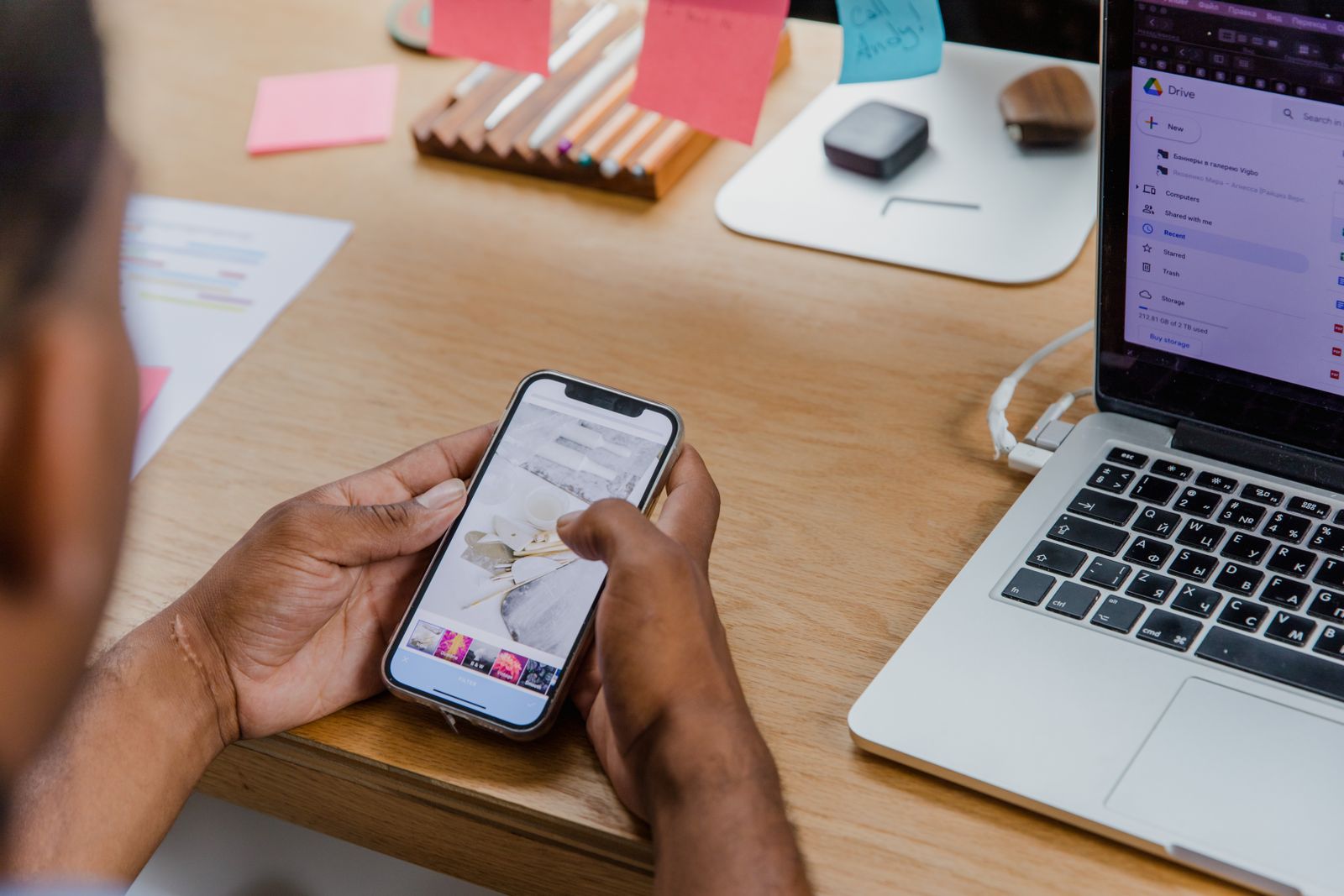
There's a specific moment where most small businesses quietly lose work, and it isn't during the sales conversation. It's after. You walked the property, you understood the job, you had a good conversation, and then you went back to your office and sent a PDF with a number on it. Three days later, nothing.
The problem isn't the price. It's that the version of you that showed up in person, the one who explained things clearly and seemed like someone worth hiring, doesn't survive the trip into an email attachment. What arrives is a document that looks exactly like the other two documents they're comparing it against.
A 60-second video attached to that same follow-up fixes most of this, and it takes less time than writing the email that usually goes with it.
Why a Number on a Page Loses
When a customer is comparing three quotes, they're not really comparing prices. They're trying to figure out which of these three people is going to do the job properly and not disappear halfway through. A PDF gives them almost nothing to judge that on, so they default to the only variable that's clearly different: the number at the bottom.
That's a losing game for anyone who isn't cheapest. And most good small businesses aren't cheapest, they're worth it, which is a much harder thing to communicate in a spreadsheet.
Video changes what's being compared. When one of the three quotes arrives with a short clip of the actual person walking through what they found and why the number is what it is, that quote stops being a price and starts being a plan. The other two are still documents.
What Actually Goes in the 60 Seconds
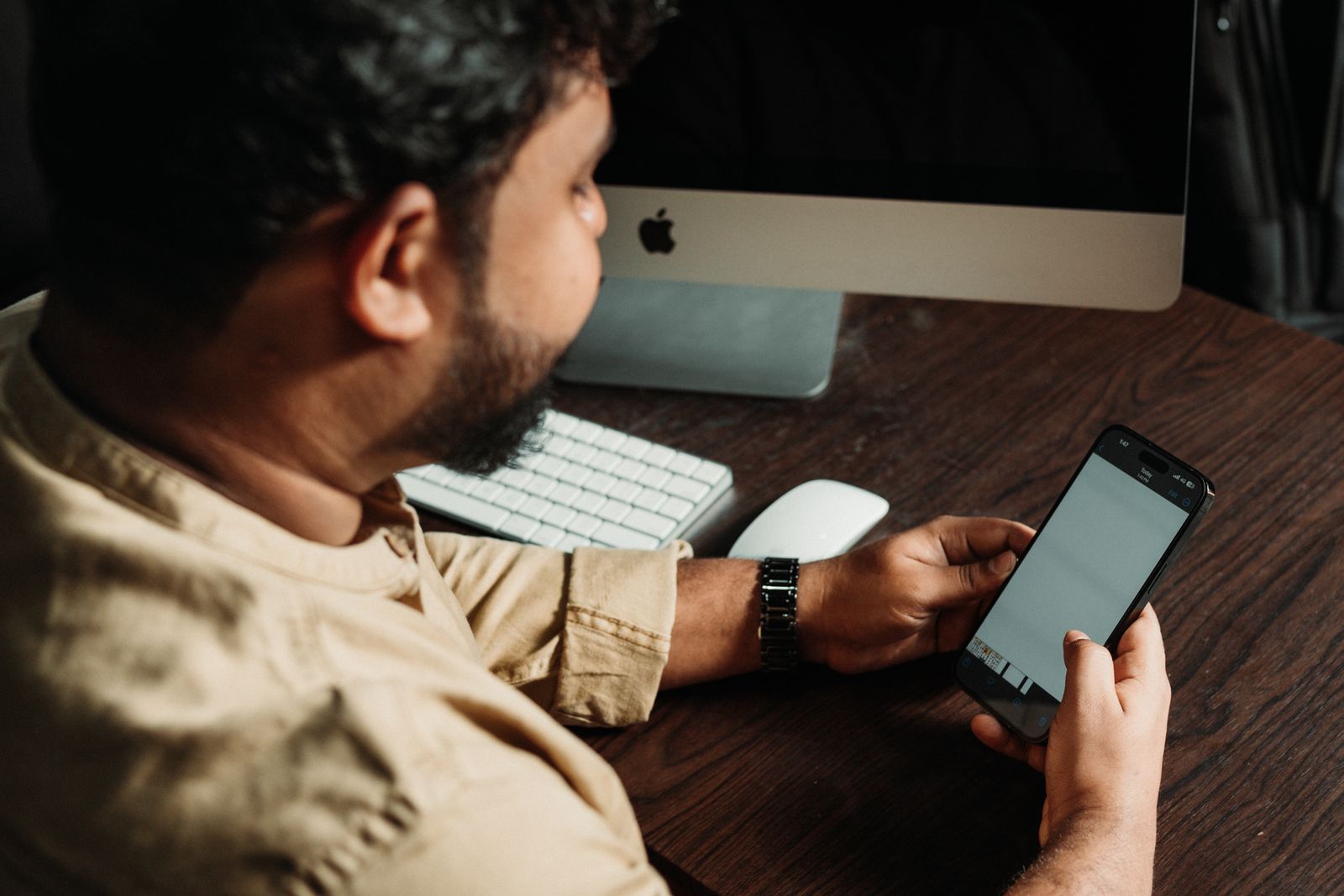
Keep it short and specific. This is not a commercial, it's a personal note that happens to be on camera.
Say their name and reference something from the visit. "Hey Marcus, thanks for the time on Tuesday." Ten seconds, and it immediately establishes that this was made for them and not blasted to a list.
Point at the actual thing. If you can, film in front of the work. Show the corner where the water's getting in, the panel that's undersized, the wall that needs to come out first. Thirty seconds of pointing at the real problem does more than three paragraphs describing it.
Explain one decision, not all of them. Pick the line item most likely to cause hesitation and explain the reasoning behind it. "You'll see the drainage work is about a third of the total, and that's because doing the patio without it means we're back here in two years." This is the part that converts, because it answers the objection before they've said it out loud.
End with what happens next. Not "let me know," which puts the work on them. Say "if this looks right, reply and I'll get you on the schedule for the week of the 14th." One clear next step.
That's it. Under a minute, one take, no script.
The Other Follow-Ups Worth Filming
Once you're comfortable, the same approach works in several places where small businesses typically send text and get silence.
The re-engagement. A customer went quiet three weeks ago. Instead of "just checking in," send twenty seconds: "Hey, no pressure at all, just wanted to let you know we've got an opening in early September if the timing works better now."
The onboarding note. Once someone books, a short clip explaining what to expect on day one, where to park, what needs to be moved, who's arriving, prevents half the friction that turns a good job into an awkward one.
The handoff. When the work is done, a walkthrough video of what was done and how to maintain it becomes something the customer keeps and shows people. It's also, not incidentally, the easiest possible moment to ask for a review.
The Practical Stuff
Film horizontally on your phone, held at eye level or propped on something. Get the light in front of you, not behind. If you're outdoors and it's windy, stand with your back to the wind or get closer to the phone, wind noise is the one thing that makes a clip genuinely unusable.
Do it in one take and accept that it won't be perfect. A slightly rough video from a real person outperforms a polished one that took forty minutes to make, because you'll actually keep doing the rough one.
Host it somewhere simple, an unlisted YouTube link, a video hosting tool, or your website, and put a thumbnail image in the email rather than attaching a large file. Attachments get blocked; links don't.
And say something in the first three seconds that makes it clear this isn't a mass email. Their name, or the specific job, right at the front.
Where the Time Actually Goes
Recording is quick. What takes time is everything after: trimming the false start at the beginning, cutting the twenty seconds where you lost your train of thought, adding captions so it works when they open it muted at their desk, and putting a clean title card and your logo on the front so it looks like it came from a business rather than a phone.
That's the difference between a video that closes a job and one that makes you look slightly disorganized, and it's the reason most owners try this twice and stop.
That's the part MorganMade handles. MorganMade takes raw footage from small businesses, creators, and organizations and turns it into polished, captioned, on-brand video, whether it's headed for a client's inbox, a homepage, or the platforms where your customers scroll. If you've been sending quotes into silence, the fix is probably a minute of footage away.
*This post was created with the assistance of AI.*