Every Video You've Made Is Also a Page Google Can Read
Your finished videos already contain the website copy you've been meaning to write. Here's how small businesses turn video transcripts into pages that rank in search.

Most small businesses treat a finished video as the end of the project. You film it, you post it, it does whatever it does, and then it sits on YouTube or Instagram quietly collecting a few views a month. Meanwhile your website has three thin service pages and a contact form, and you keep meaning to "write some blog posts" that never get written.
Here's the thing: you already wrote them. You said them out loud, on camera, probably better than you'd have typed them. Every video you've made is also a page of website copy that hasn't been published yet.
Why Search Engines Still Need the Words
Google has gotten good at understanding video, but it still ranks pages largely on text. A video embedded on a page with two sentences around it gives a search engine almost nothing to work with. The same video surrounded by 600 words of the actual content you covered gives it a page it can read, index, and match to what someone typed into the search bar.
This matters most for the long, specific questions people search. Nobody types "plumber" anymore. They type "why does my water heater make a knocking sound" or "how much does it cost to replace a fence panel in [city]." Those are exactly the questions you answer out loud every week, on job sites and on video. Turning the spoken answer into a written page gives you something to rank for that a competitor's generic service page can't touch.
What to Pull Out of a Video
Not every video becomes a good page, and a raw transcript dumped onto your site is worse than nothing. What you're looking for is the substance underneath the talking.
The question you answered. If a video responds to a real customer question, that question is your page title and your H1. Use the words a customer would use, not industry terms.
The steps or reasons you listed. Almost every useful video contains a list the speaker didn't realize they were making, three reasons, four steps, two things to watch for. Those become your subheadings.
The specifics. Numbers, timeframes, local details, costs, brand names of the tools you use. This is the part a generic AI-written article can't fake, and it's the part that makes a page worth ranking.
The lines that sounded good. Occasionally you say something on camera that's sharper than anything you'd write. Keep those close to verbatim.
Turning a Transcript Into Something Worth Reading
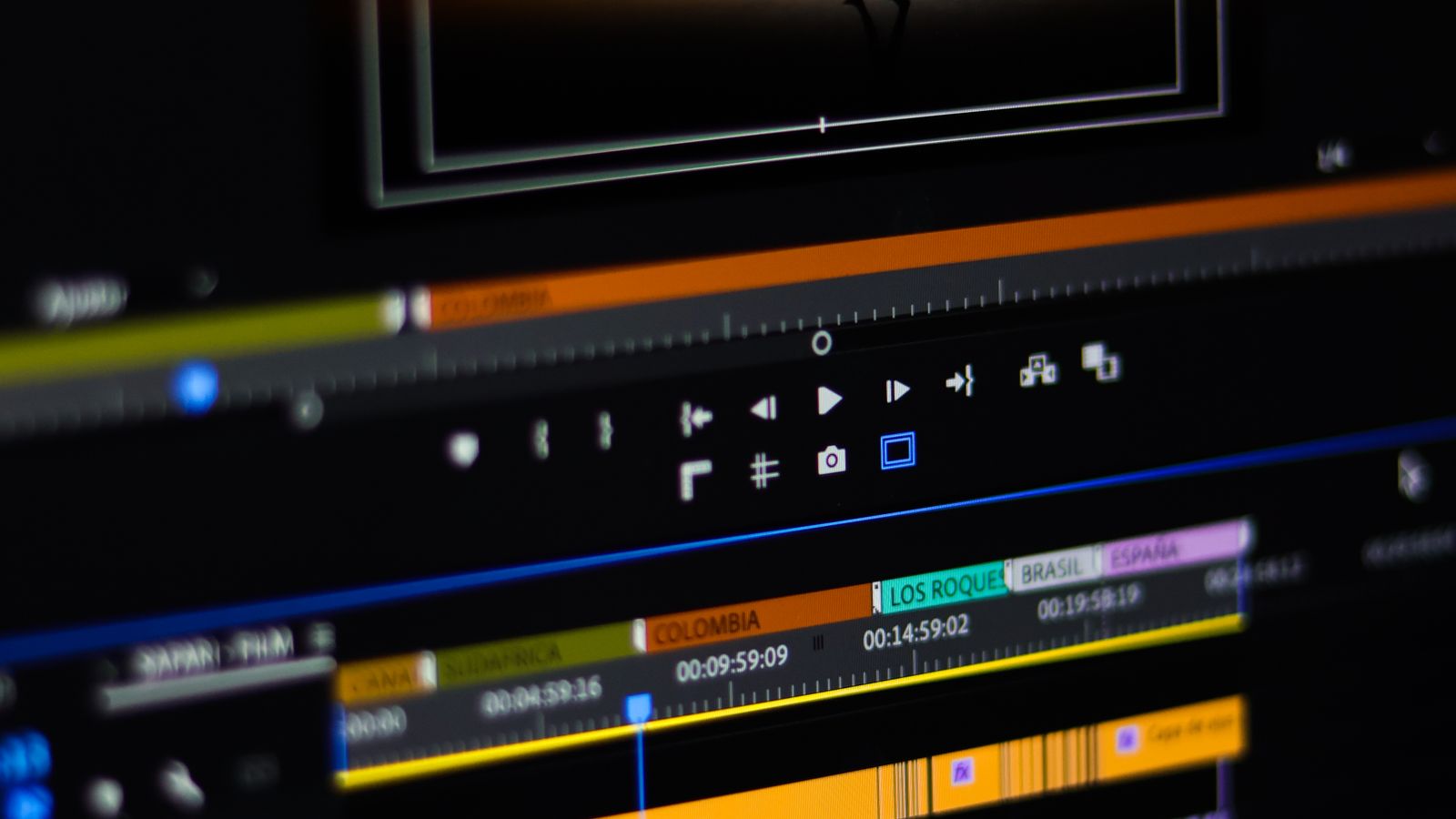
A transcript is raw material, not a draft. Spoken language is full of restarts, tangents, and "so basically" filler that reads badly on a page. The rewrite is quick if you know what you're doing: cut the throat-clearing, put the answer near the top instead of burying it two minutes in, break it into scannable sections, and keep your own voice rather than sanding it into corporate copy.
Then place the video at the top of that page. Now you have one URL doing four jobs: it holds someone's attention with video, it gives Google text to index, it answers a real search query, and it gives you something concrete to link to when a customer asks that question over email.
A Simple Workflow That Doesn't Add Work
You don't need a content team for this. The sequence that works for most small businesses:
1. Film the answer to one common customer question, 3 to 6 minutes, no script. 2. Get the video edited and captioned for YouTube and social. 3. Pull the caption file or transcript, which you already have from step two. 4. Rewrite it into a 600 to 800 word page on your own site, with the video embedded at the top. 5. Link to that page from your service page and from the video description.
The important part is that steps three and four cost almost nothing extra once step two is done properly. Captions produce a transcript as a byproduct. If your editor is already doing captions, the text is sitting right there.
Where This Usually Stalls
Almost nobody stalls on the idea. They stall on the pile: a folder of raw footage, no captions, no transcript, and no time to sit down and turn any of it into something publishable. The video never gets edited, so the captions never happen, so the transcript never exists, so the page never gets written. One missing step at the front blocks the whole chain.
That's the part MorganMade handles. MorganMade takes raw footage from small businesses, creators, and organizations and turns it into finished YouTube videos, short-form clips, and captioned brand content, which means the transcript and the text you need are there when you want them. If you've got footage that could be earning you search traffic instead of sitting on a hard drive, that's a good conversation to have.
*This post was created with the assistance of AI.*