The Music Under Your Video Can Get It Taken Down
Dropping a song you like under your business video is how a lot of small business content ends up muted, blocked, or earning money for someone else. Here is how music licensing actually works, where to get tracks you are allowed to use, and how to mix them so they help instead of hurt.
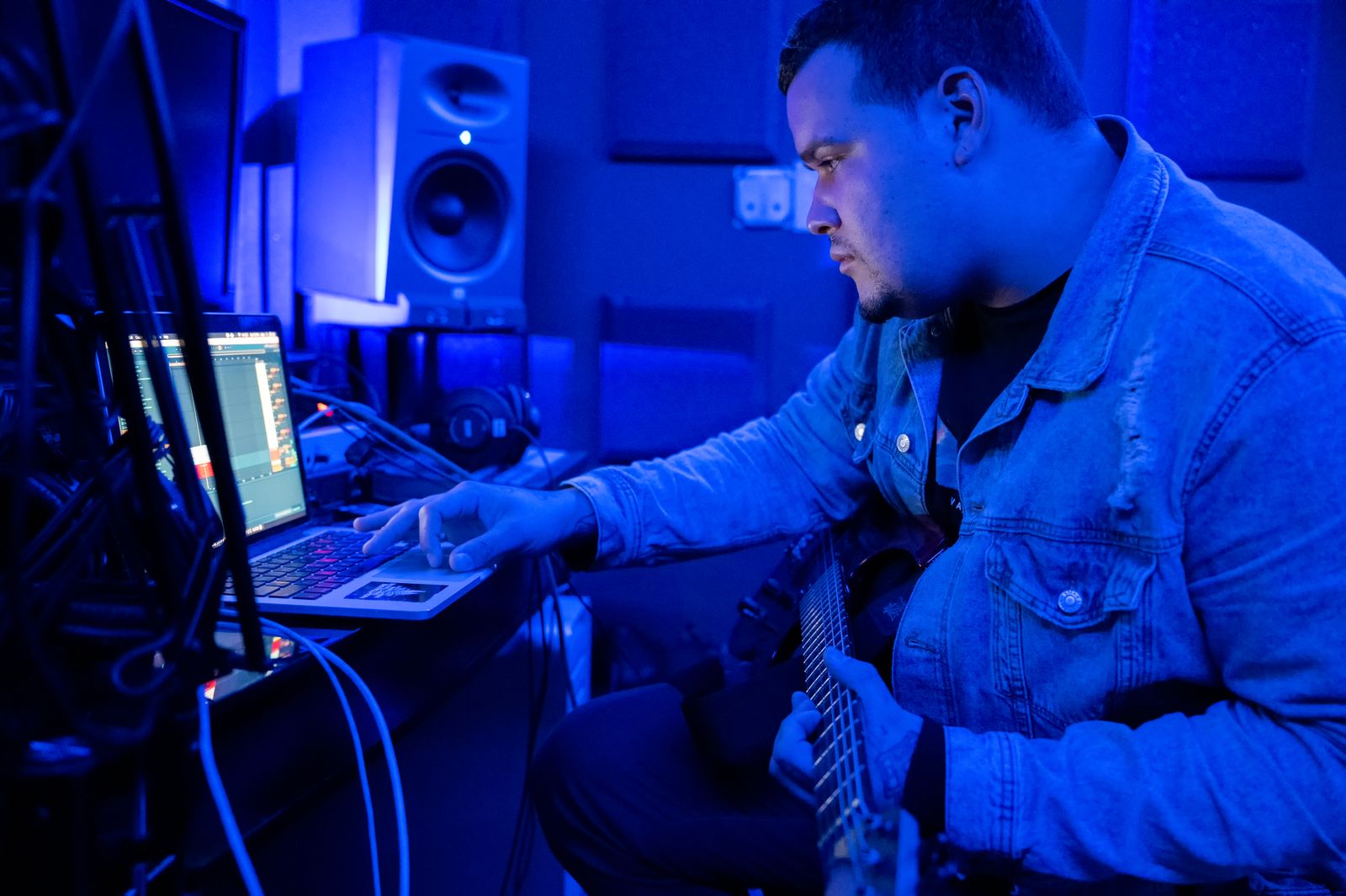
Pick a song you like, drop it under the footage, export. That is how most small business videos get their music, and it is also how a lot of them end up muted, blocked in half the world, or quietly earning ad revenue for a record label instead of doing anything for the business that made them.
Music is the one part of a video where a small mistake has an outsized cost. A shaky shot just looks a bit rough. The wrong song can take the whole video off the internet.
What Actually Happens When You Use a Song You Do Not Own
Nobody has to report you. YouTube's Content ID, and the equivalent audio matching on Instagram and TikTok, scans uploads automatically against a database of commercial recordings. When it finds a match, a few things can follow, and none of them are good for a business:
The video gets muted, sometimes only across the section where the music plays, which leaves a silent gap in the middle of your message. It gets blocked in specific countries, so your reach quietly shrinks without any obvious notice. Any revenue gets redirected to the rights holder. And on YouTube, repeated copyright strikes can take an entire channel down, including the videos that had nothing wrong with them.
Three things people assume will protect them, and do not: buying the song on a music store, crediting the artist in the description, and using only a few seconds of it. None of those grant you a licence to use a recording in a promotional video. There is also no fair-use allowance that covers background music under a business video.
One more wrinkle worth knowing. The trending music inside TikTok and Instagram is licensed for personal use, not commercial. That is why business accounts often see a smaller catalogue than personal accounts do. Using a trending song on a business profile is a real risk, not a clever workaround.
Where to Get Music You Are Allowed to Use
There are three practical routes, and most small businesses only ever need one.
Subscription libraries. Epidemic Sound, Artlist, Soundstripe, Musicbed and similar services charge monthly or annually and cover commercial use. Most of them also let you whitelist your YouTube channel so the platform's matching system recognises your account and does not flag you. For a business posting regularly, this is usually the simplest answer and costs roughly what a streaming subscription does.
Free, properly licensed sources. The YouTube Audio Library, Pixabay Music and the Free Music Archive all offer tracks that are genuinely cleared. The catch is that the good ones get used constantly, so your video may sound like everyone else's. Read the licence on each individual track, because some require attribution and a few exclude commercial use.
Buying a track outright. A one-off purchase from a music marketplace makes sense if you want a single recognisable theme running across everything you publish.
Whichever route you take, save the licence or the download receipt in the same folder as the project files. If a claim turns up on a video a year from now, that document is the difference between clearing it in a day and losing the video.
What "Royalty-Free" Actually Means
This phrase causes more confusion than any other in the category, so it is worth being precise. Royalty-free does not mean free of charge. It means that once you have paid for the licence, you do not owe ongoing per-play royalties.
A track can be royalty-free and cost forty dollars. A track can be free to download and still require credit, or forbid commercial use entirely. The price tells you nothing. The only thing that matters is what that specific licence says about commercial use and about the platforms you are posting to.
Picking a Track That Helps the Video
Match the energy to the message, not to your own taste. A roofing walkthrough does not need a dramatic cinematic build. A testimonial does not need anything upbeat. The music should sound like how you want the viewer to feel at the end.
Keep it instrumental under anything with talking. Lyrics and speech compete for the same part of a listener's attention, and the result is that neither lands. Save vocal tracks for montages with no voiceover.
Let the track's structure line up with the edit. Most library tracks have an obvious lift about fifteen seconds in. Cutting to your best shot on that lift costs nothing and makes the whole piece feel deliberate.
Use silence on purpose. Pulling the music out for three seconds before an important sentence draws more attention than any amount of volume does.
One track per video is plenty. Switching songs halfway through almost always reads as a mistake.
Mixing It So It Does Not Fight Your Voice
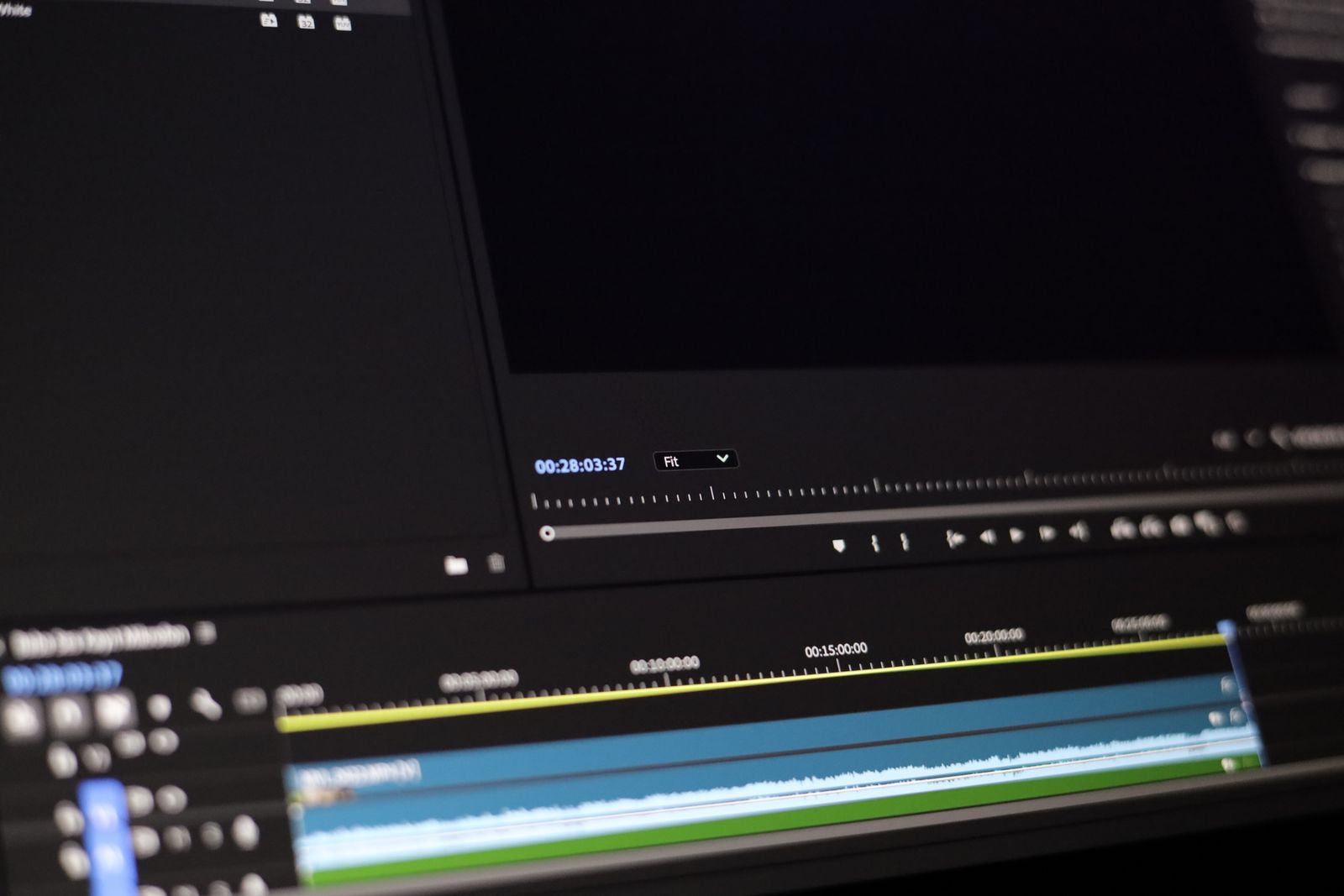
Background music needs to sit much lower than feels right while you are editing. A good rule is somewhere around fifteen to twenty decibels below the dialogue, which will seem too quiet on headphones and will be exactly right on a phone speaker. Always check the mix on a phone, because that is where almost everyone will actually watch it.
Duck the music automatically under speech rather than setting one level for the whole video. Fade it in and out instead of cutting it dead at the end. And if a video has no talking at all, the music can and should sit much louder, because it is now carrying the pacing by itself.
The Visibility Angle Most People Miss
Music is not a ranking factor. Nobody at Google is scoring your song choice. But a muted video, a video blocked in three countries, or a video people swipe away from because the backing track is louder than the owner's voice all destroy the one thing that does matter for visibility: how much of it people watch.
A copyright claim is worse still. It can take a page that was ranking, pulling in search traffic and sending enquiries, and make it worthless overnight, through no fault of the footage or the message.
Getting this right is not difficult. It is a licence you can buy in ten minutes and a mix level that takes an editor about thirty seconds to set properly. That is the kind of detail MorganMade handles as a matter of course for the small businesses, creators and organisations whose footage comes through every week: cleared music, a mix that works on a phone speaker, and a video that stays up and keeps working. If you have got footage sitting on a drive waiting for the finishing touches, that is a conversation worth having.
*This post was created with the assistance of AI.*