How Long Should Your Business Video Be?
There is no single right runtime. Here is a practical length guide for each place your business video will actually be watched, why pacing matters more than duration, and how to cut a video down without gutting the point.

Almost every business owner who sends over footage asks some version of the same question before they ask anything else: how long should this be? It is a fair question with an annoying answer, because the honest version is that it depends entirely on where the video is going to be watched and what you want the viewer to do next.
What does not vary is the failure mode. Videos rarely underperform because they were thirty seconds too long. They underperform because nothing happens in the first ten seconds, the middle repeats itself, and the viewer leaves before the part that would have sold them.
There Is No Universal Right Length
Platforms do not reward short videos. They reward videos people finish. A ninety-second clip that holds eighty percent of its audience will outperform a thirty-second clip that loses everyone at six seconds, and the algorithm reads both the same way you would: as a signal of whether the thing was worth watching.
That changes the question. Instead of asking how long your video should be, ask how long you can keep it genuinely interesting, then make it exactly that long and not a second longer.
A Rough Guide by Placement
Short-form vertical, for Reels, TikTok and Shorts: 15 to 40 seconds. One idea, one answer, one tip. The moment you need a second point, you have a second video.
YouTube, for how-to and explainer content: five to ten minutes. Long enough to actually teach something, short enough that you are not padding. Search-driven viewers want the answer and the context around it, not a preamble.
Your website homepage or a service page: 45 to 90 seconds. This is the one most businesses get wrong by going long. Someone already on your site is close to enquiring. They need reassurance, not a documentary.
A follow-up or quote video sent to one person: under a minute. It is a message, not a production.
A clip pulled from a podcast or long interview: 60 to 90 seconds. Enough for a complete thought with a beginning and an end. Anything shorter usually lands without context.
Treat those as starting points, not rules. A three-minute walkthrough of a complicated install can hold attention better than a forty-second clip with nothing in it.
Length Is a Symptom. Pacing Is the Cause.
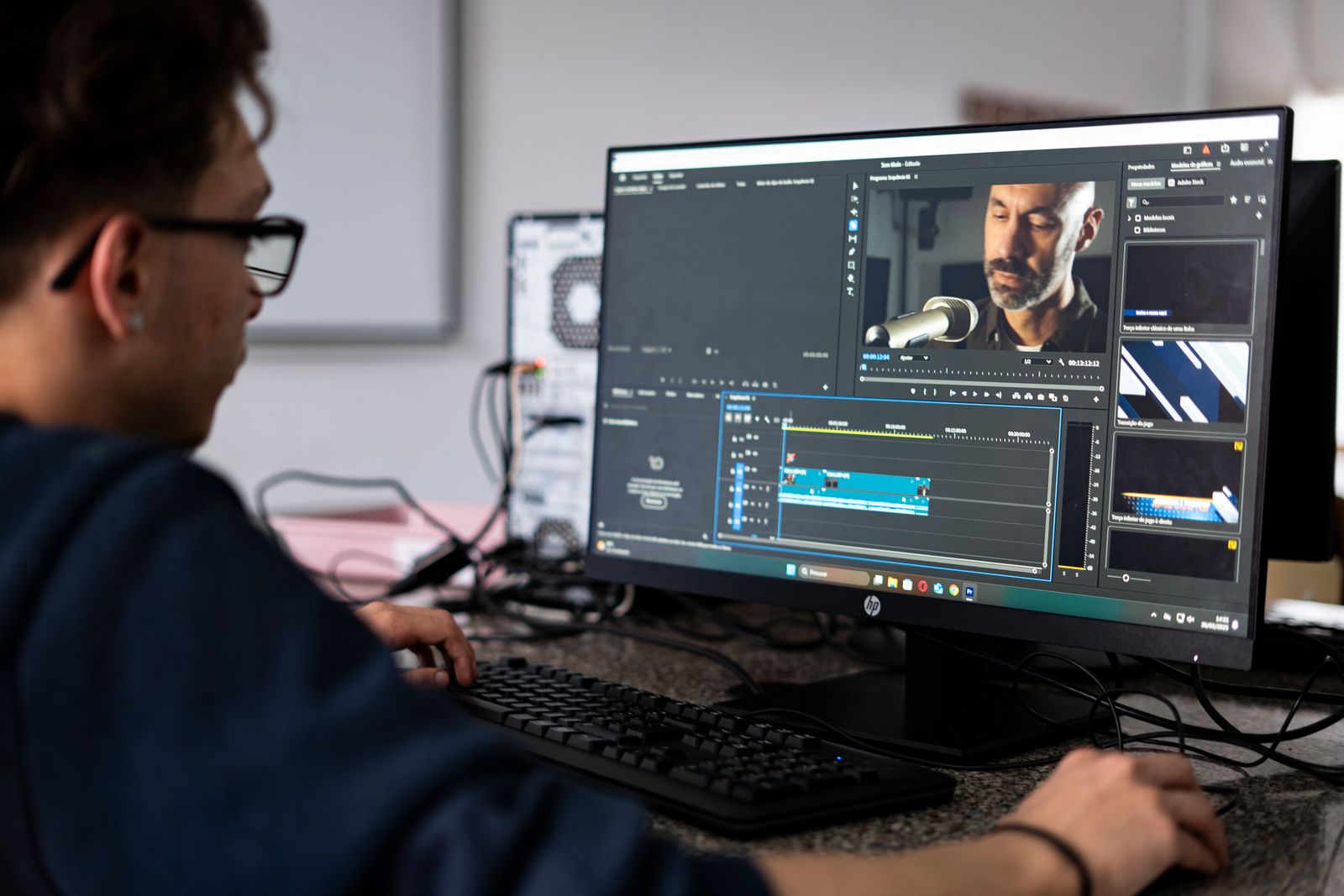
When a video feels long, the problem is almost never the runtime on the timeline. It is the dead space inside it.
The slow open. If the first words out of your mouth are a greeting, an introduction and a description of what the video will cover, you have spent your entire opening budget before saying anything useful. Start at the point.
Unearned pauses. Natural speech is full of small gaps, restarts and breaths that are invisible in the room and painfully obvious on camera. Tightening those alone typically takes fifteen to twenty percent off a video without removing a single idea.
Saying it twice. Most people explain a point, pause, then explain it again slightly better. Keep the better one.
Visuals arriving late. If you are describing something the viewer cannot see, the video feels slow regardless of its length. Cutting to the thing you are talking about buys you attention.
How to Cut Without Gutting the Message
Write down, in one sentence, what the viewer should know or do by the end. Then cut anything that does not serve that sentence, including things you are fond of.
Chop the first ten seconds and watch it again. Nine times out of ten it opens better. Then do the same at the end: once you have asked for the one thing you want, stop. Trailing off after the call to action is where a surprising amount of watch time goes to die.
If you cannot bear to lose a section, it probably wants to be its own video. That is not a loss, it is a second post you did not have to film.
The Practical Version
Film a bit more than you need, then let the edit decide the length. That is the opposite of how most small businesses work, because filming to length feels efficient and cutting feels wasteful. In practice, the material you remove is what makes the rest watchable.
This is a lot of what MorganMade actually does day to day: taking raw footage and finding the version of it that holds attention, whether that is a tight thirty-second vertical clip, a properly paced YouTube edit, or a short, confident piece for a homepage. If you have footage sitting around that you suspect is twice as long as it needs to be, that is a straightforward thing to fix.
*This post was created with the assistance of AI.*