Show the Work: Why Behind-the-Scenes Video Beats Your Polished Ad
Process footage outperforms the ad you spent a month on, because it proves something an ad can only claim. What to film, how often, and what the edit has to do to make it watchable.
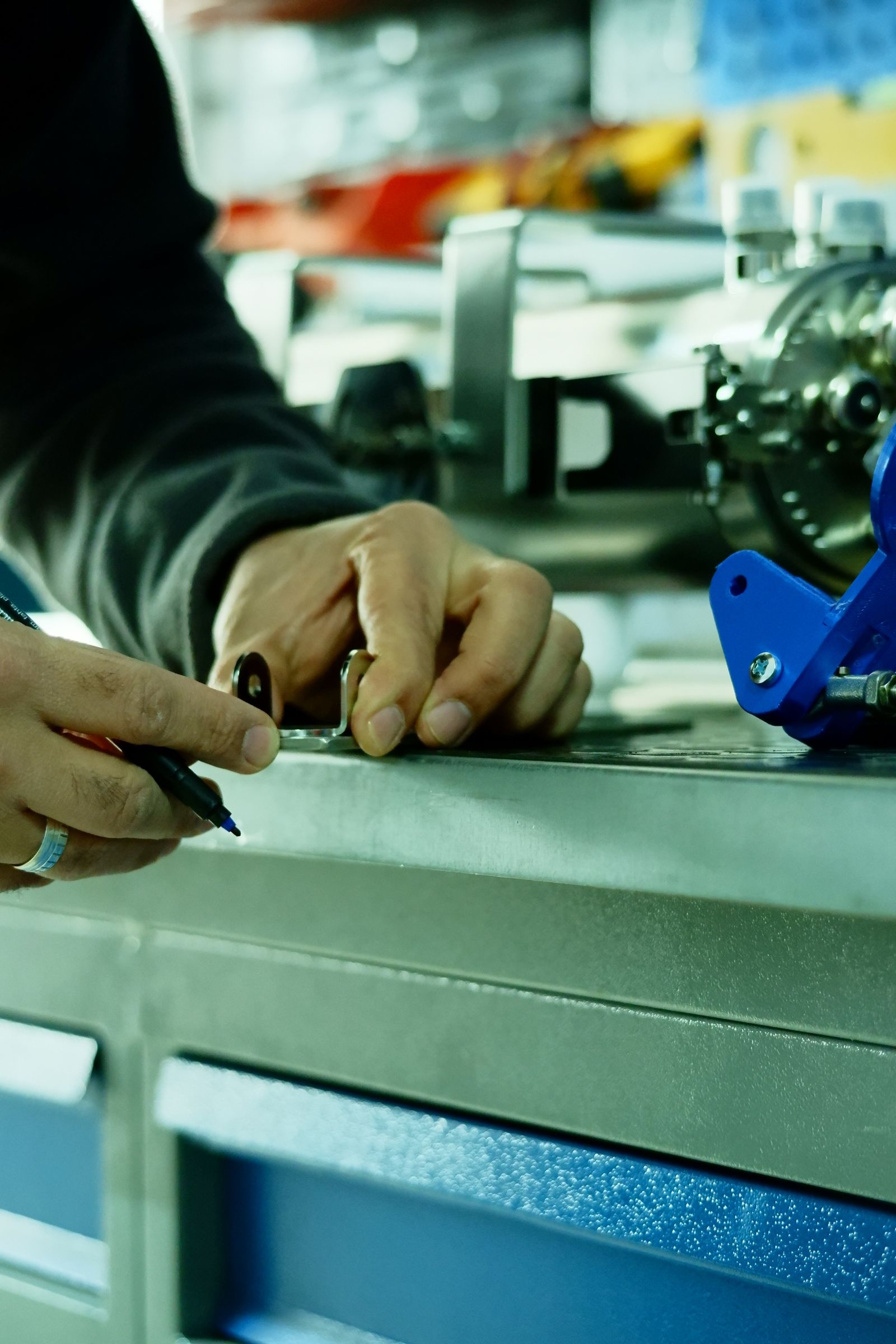
Most small businesses save their video budget for the polished piece. The sixty-second spot with the logo animation, the drone shot, the music swell, the tagline at the end. It takes a month to make, it looks expensive, and it gets about four hundred views from people who were already customers.
Meanwhile the clip you shot on your phone of a cabinet door being hung, with no music and no captions, does eleven thousand views and brings in two calls.
This happens often enough that it is worth understanding why, because it is not luck.
An Ad Claims. Process Proves.
A polished ad tells people you do careful work. A thirty-second clip of you actually doing the careful work shows them, and showing is a different category of persuasion entirely.
It also lands differently in the feed. Platforms reward content people stop for, and a stranger will stop for an unfamiliar process far longer than they will stop for a commercial. There is a reason the internet will happily watch a floor being sanded, a cake being iced, or a seized bolt finally giving way. Nobody chooses to watch an ad.
The third advantage is the quiet one: process footage is something only you have. Your competitor can buy the same stock video and hire the same ad agency. Nobody else has footage of your bench, your crew, your hands.
What to Film Is Less Interesting Than You Think
Business owners get stuck here because they are looking for a dramatic moment, and most trades do not have one. The footage that works is almost always ordinary.
The step a customer never sees. The prep, the measuring, the thing you do that the cheap operator skips. This is your whole pitch, and it is invisible unless you film it.
A before that becomes an after. Not a full renovation. A single wall, a single engine bay, a single tray of ingredients.
The repetitive bit. Whatever you do forty times a week with no thought at all is the part strangers find oddly satisfying.
A small fix going right. Something clicking into place, lining up, coming clean. That satisfying beat is the entire reason the clip travels.
Someone explaining while they work. Twenty unscripted seconds of a tech saying why they are doing it this way is worth more than any voiceover you would write.
Filming It Is a Habit, Not a Project
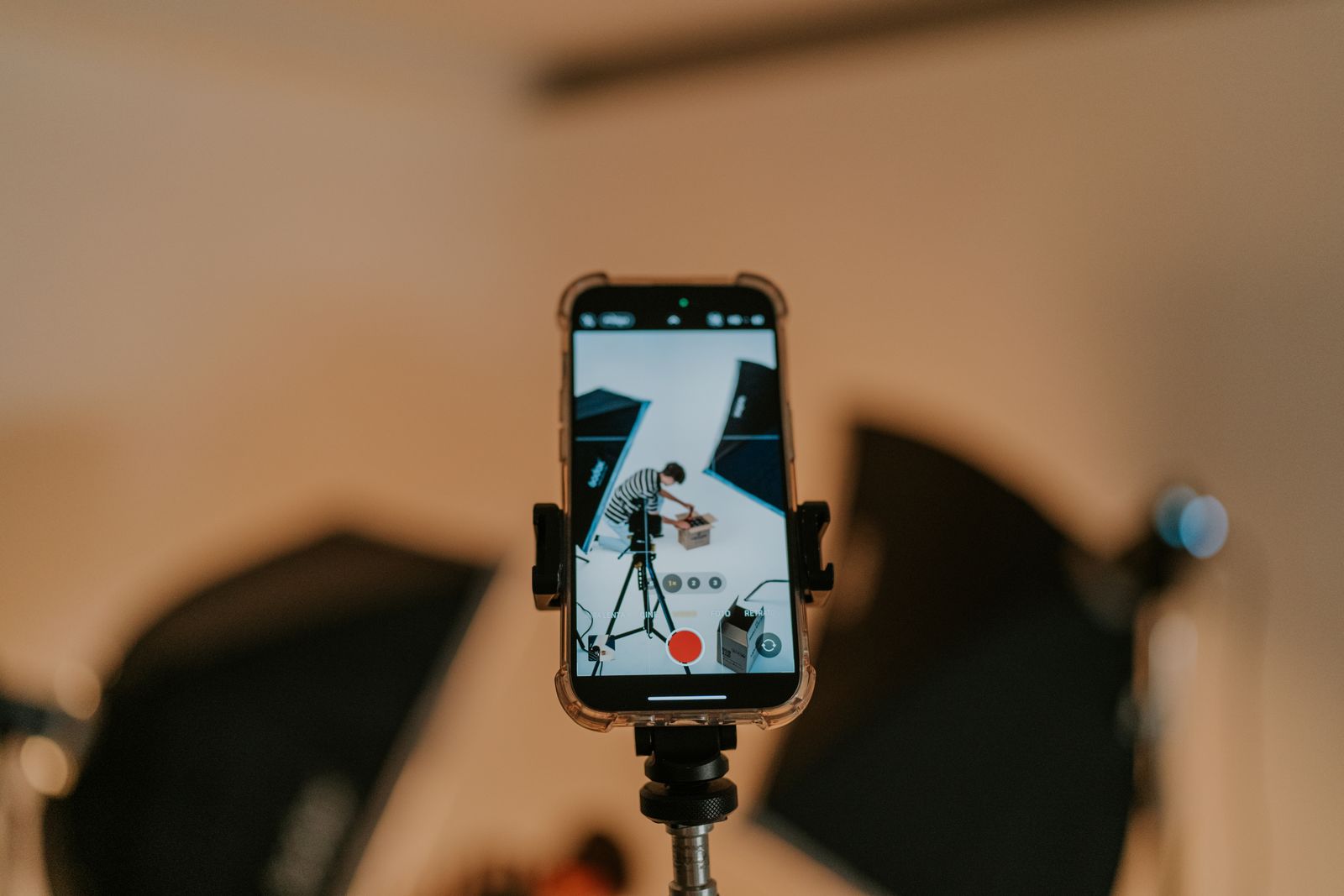
The reason most businesses never build a library of this is that they treat filming as an event requiring a plan. Make it a habit instead.
Keep a cheap clamp or tripod wherever the work happens so setup takes eight seconds, not eight minutes. Shoot in short takes of fifteen to thirty seconds, which are far easier to use later than one long unbroken recording. Hold each shot still for a few seconds longer than feels natural, because an editor can always trim and can never add. Get two or three angles of anything interesting: wide for context, tight on the hands, and one from where a customer would be standing.
Aim for three or four clips a week. That is a few minutes of actual effort, and in a month it is enough raw material for a dozen posts.
The Edit Is Where It Becomes Watchable
Raw process footage is not content yet, and this is where most of these libraries quietly die on a phone.
Lead with the most visually interesting second you have, not with the setup. Cut dead time aggressively — a four-minute task becomes twenty-five seconds. Add a single line of text at the top explaining what is happening, since without it a stranger has no idea what they are looking at. Caption any speech, because most people are watching with sound off. And resist music that fights the work; often the real sound of the job is the best audio you have.
One shoot cut three ways gives you a short vertical clip for social, a slightly longer version for your website's services page, and a chunk of footage you can fold into a longer explainer later.
Start With What You Did Last Week
You do not need a content strategy to begin. Pick one job you finished recently, write down the three moments a customer would have found interesting, and film those three moments on the next similar job. That is your first week.
The part that trips most people up is not the filming — it is the pile of clips that never becomes anything. MorganMade takes raw footage from small businesses, creators, and organizations and turns it into short, captioned, properly framed cuts that are actually ready to post, along with the longer-form and YouTube versions built from the same material. If you have process footage sitting on a phone that nobody outside your business has ever seen, that is the easiest place to start.
*This post was created with the assistance of AI.*