The Before-and-After Video: The Proof Your Business Is Already Sitting On
Service businesses finish transformations every week and film almost none of them. Here's how to capture before-and-after video without slowing down the job, and how to edit it so it actually gets watched.
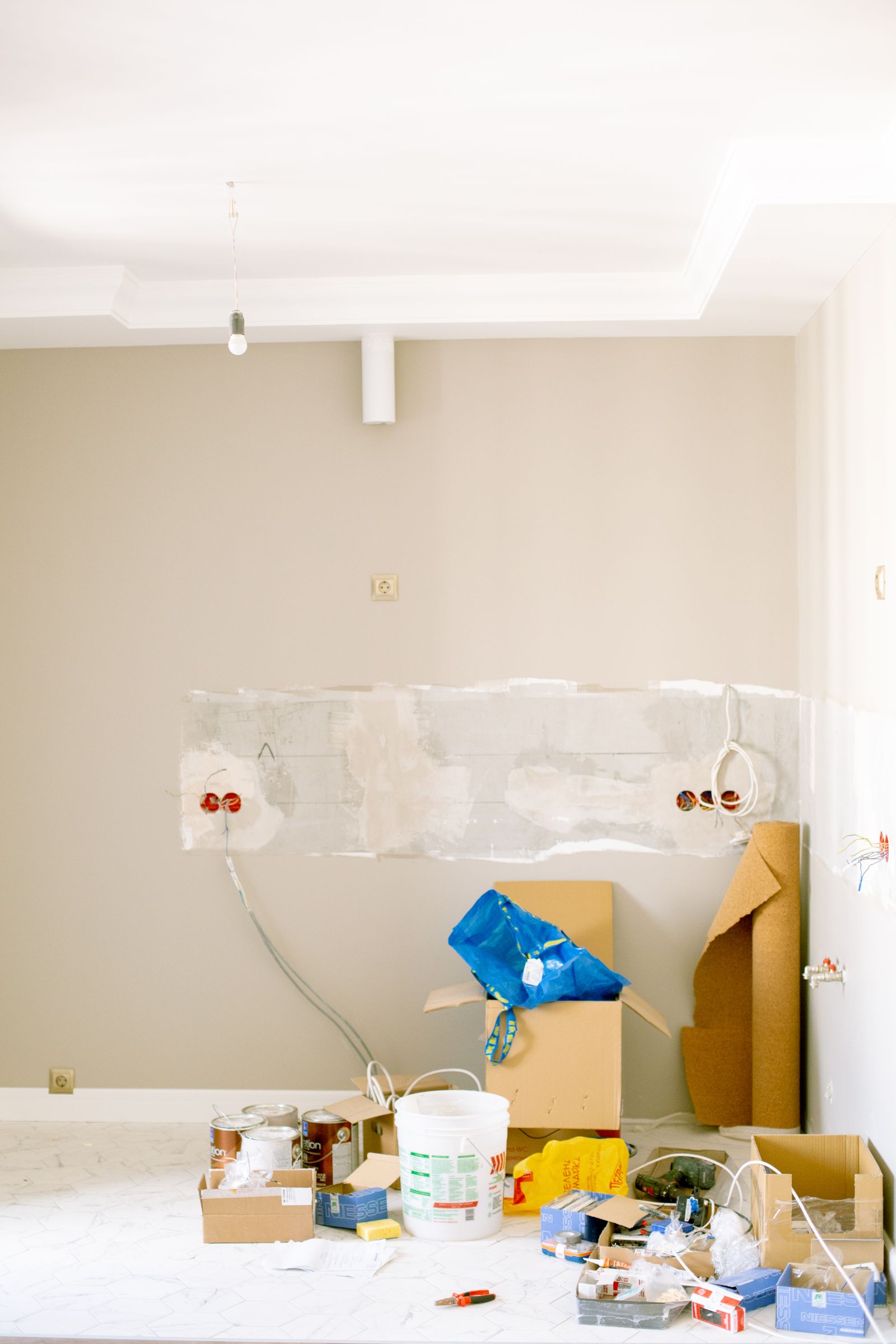
If you run a service business, you finish a transformation almost every week. A cluttered garage becomes usable. A gutter that hasn't drained in three years runs clear. A dull, oxidized hood turns glossy. Then you pack up the truck and the only record of it is a photo you took for the invoice, if that.
That's the most persuasive content your business will ever produce, and most owners throw it away without noticing.
Before-and-after works because it skips the part where you have to convince anyone. You're not claiming you do good work, you're showing the exact gap between how a thing looked when you arrived and how it looked when you left. Nobody has to take your word for it, which is why this format outperforms almost anything else a local business posts.
Why This Format Earns Attention
It's understood instantly. A viewer doesn't need context, industry knowledge, or a caption to get the point. The contrast does the work in under two seconds, which matters enormously on a feed where people decide whether to keep watching almost immediately.
It gets watched to the end. Once someone sees a "before," they want the "after." That built-in curiosity gap is the reason transformation videos hold attention better than explainer content, and completion rate is one of the strongest signals platforms use to decide who else sees your video.
It answers the question every prospect is quietly asking. People shopping for a service are trying to figure out whether you're any good. A gallery of finished-work photos is nice. Watching the change happen is closer to proof.
It doubles as a search asset. Uploaded to YouTube with a plain, specific title, a transformation video keeps working long after it drops off social. "Driveway Pressure Washing Before and After | [Your City]" is a phrase real people type into search bars, and very few local competitors are filling that result.
How to Film It Without Slowing Down the Job
The most common reason this doesn't happen isn't equipment, it's that nobody wants to add fifteen minutes to a workday. You don't have to.
Shoot the "before" first, always. This is the one rule with no workaround. Once you've started, the before shot is gone forever. Make it the same reflex as putting down a drop cloth: phone out, ten seconds of slow panning, done.
Match your framing. Stand in the same spot, at the same height, pointing the same direction for both shots. Matched framing is what makes the cut land. If it helps, take a screenshot of the before shot and use it to line up your after shot.
Grab a few seconds of the middle. The work in progress is what makes the result believable. Two or three short clips of hands actually doing the thing turns a nice reveal into a story.
Keep the camera steady and let the light do its job. Same time of day for both shots if you can manage it, or at least the same lights on. A before shot in gloom and an after shot in sunshine reads as a trick, and people notice.
Shoot vertical. Almost everywhere this video will live is a vertical feed. You can always crop down from vertical, but you can't invent the sides of a horizontal frame later.
Where the Edit Makes or Breaks It
Raw before-and-after footage is rarely compelling on its own, because the interesting part is buried in ninety seconds of panning. The edit is what turns it into something people finish.
Lead with a flash of the after, then cut back to the before. It sounds backwards, but showing a two-second glimpse of the result up front is what stops the scroll. Keep the whole thing between fifteen and forty seconds. Use a hard cut or a match transition at the reveal rather than a slow fade, because the abruptness is the payoff. Add captions naming what was done and roughly how long it took, since most people are watching with the sound off. And skip the dramatic music swell, the footage doesn't need help.
Building a Library, Not a One-Off
The real advantage isn't one great transformation video, it's twenty of them. Every job is a candidate. Once filming the before becomes routine, you're generating raw material continuously, and a year in you have a searchable, scrollable body of evidence that no amount of ad spend buys.
The bottleneck is almost never the footage. It's that the clips pile up on a phone because sitting down to cut them competes with running the business.
That's the part MorganMade handles. MorganMade takes raw footage from small businesses and turns it into short-form clips, YouTube uploads, and website video that's paced, captioned, and formatted to actually get watched. If you've got a camera roll full of job sites that nobody outside your company has ever seen, that's worth a conversation.
*This post was created with the assistance of AI.*