The Shots You Forgot to Film: A Small Business Guide to B-Roll
B-roll is the cheapest upgrade available to your business videos. Here is what it is, the five shots almost every small business should have, and how to film them without adding an hour to your day.
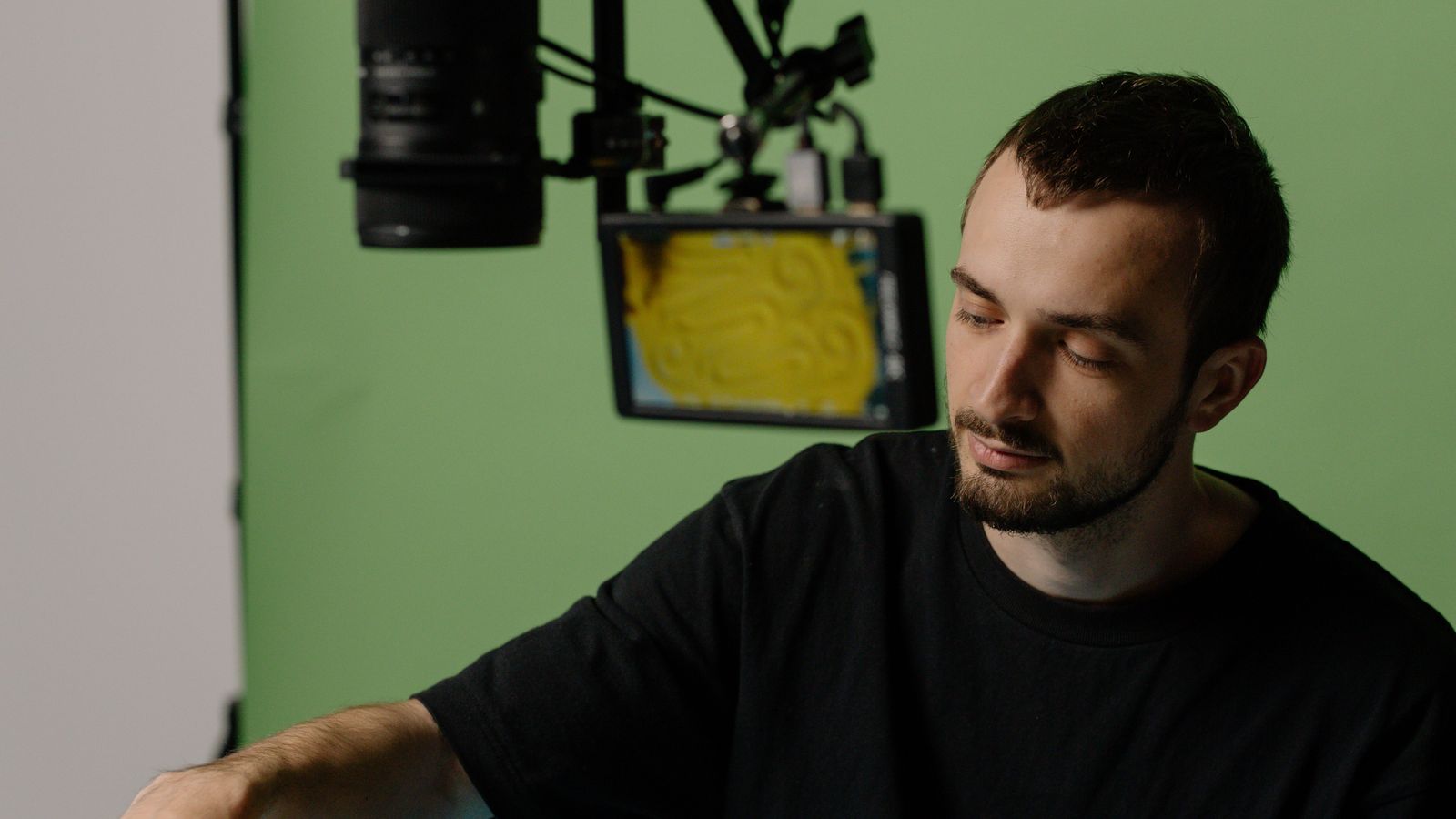
You filmed the video. One take, one angle, you standing in front of your shop talking to the camera. The information is good. The lighting is fine. And yet when you watch it back it feels longer than it is, and you cannot quite say why.
Usually the reason is that there is only one thing to look at. For ninety seconds the viewer's eye has nowhere to go. Professional video almost never holds a single frame that long, and the material it cuts away to has a name: b-roll.
B-roll is everything that is not the main shot. The close-up of your hands at work. The espresso machine pulling a shot. The van turning into a driveway. The tool going back in the drawer. It is the least glamorous footage you will ever film, and it does more for the finished video than any camera upgrade you could buy.
Why It Does So Much
It gives your editor somewhere to cut. Every time you stumble, repeat yourself, or take a long pause, the fix is to remove it, and a cut inside one continuous shot looks like a glitch. Cover it with two seconds of b-roll and the same cut becomes invisible. A single unbroken take locks your editor into keeping your mistakes. A folder of b-roll sets them free.
It resets attention. Watch time drops when the screen stops changing. A new image every five to eight seconds keeps the viewer's eye moving, which is why retention on well-covered videos declines gently instead of falling off a cliff around the thirty-second mark.
It proves what you are saying. "We're careful with the details" is a claim. Four seconds of someone sanding an edge by hand is evidence. B-roll is how a video shows instead of tells, and showing is what makes a stranger trust you enough to call.
The Five Shots Almost Every Business Should Have
You do not need a shot list for every job. You need a standing habit of grabbing five kinds of footage while you are already working.
The wide establishing shot. Your storefront, your workshop, your van, the room. Ten seconds, camera locked off, no movement. This is what opens the video and tells people where they are.
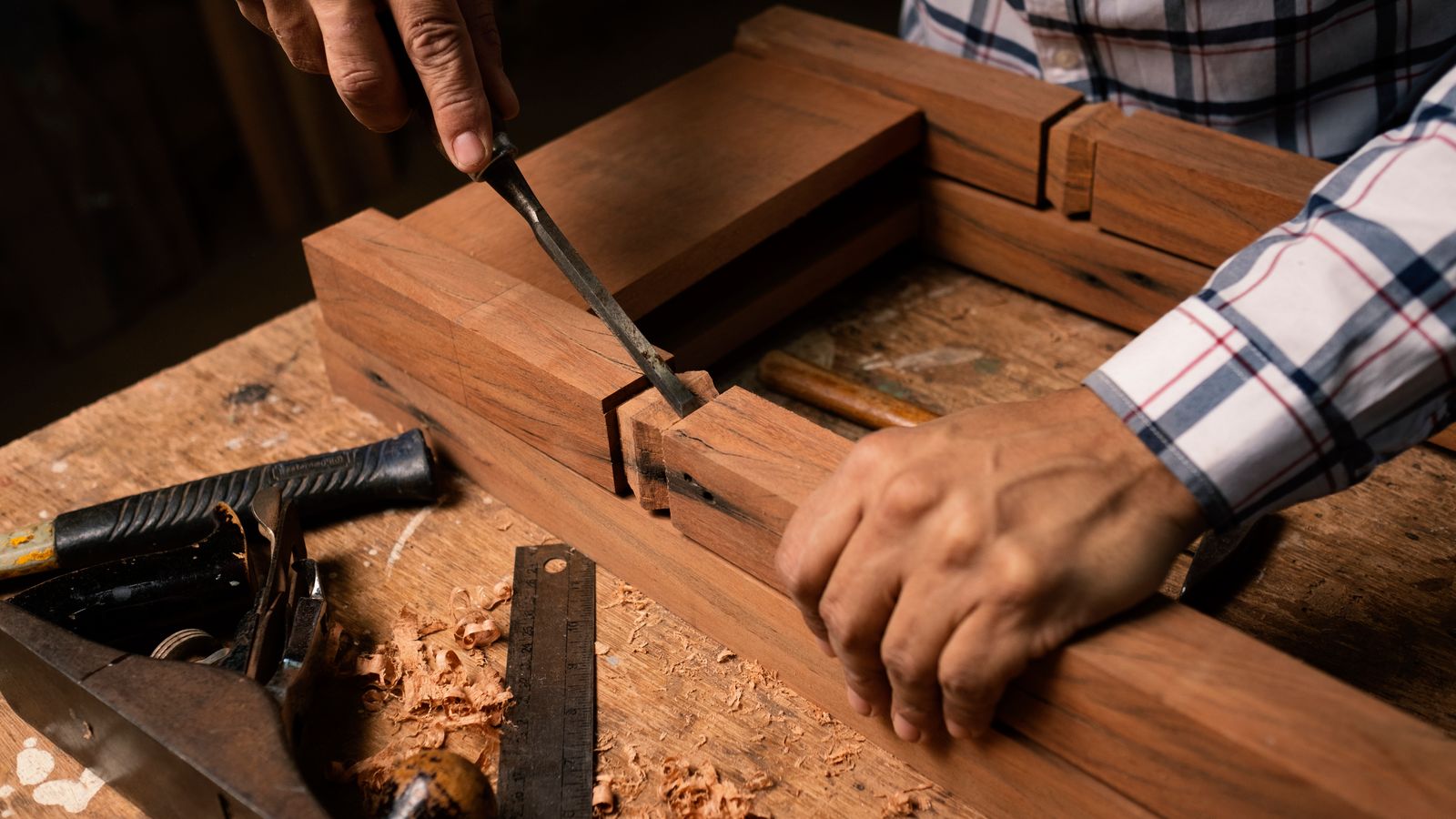
Hands doing the actual work. Get close. Closer than feels natural. This is the most valuable b-roll you can own, and almost nobody films enough of it.
The detail that shows quality. The stitching, the seal on the pipe, the finish on the wood, the label going on straight. Short, tight, and slightly slower than you think.
People, not just objects. A staff member laughing, a customer being handed something, a quick glance up at the camera. Faces make a business feel like a business rather than a brochure.
The before and after of one thing. Film the mess before you touch it, then film the same frame when you are finished. Match the angle and the pair does the talking for you.
How to Film It Without Losing an Hour
Shoot it while you work, not as a separate job. Set the phone on a small tripod, press record, and do the task. You are not performing. You are letting the camera watch.
Hold every shot for ten seconds. Count it out. Shots that feel long while you are filming are always too short in the edit, and a three-second clip gives an editor almost nothing to work with.
Keep the phone still and let the subject move. Panning and swooping look worse than a steady frame nearly every time. If you do want movement, move slowly and in one direction only.
Film more than you think you need, horizontal and vertical. Ten usable clips to cover a two-minute video is normal. Grabbing a few in each orientation means one session feeds both your website and your short-form posts.
Record a minute of room sound. Hammering, grinding, steam, the hiss of an espresso machine. Real ambient audio underneath b-roll makes a video feel considerably more expensive than it was.
The Part That Changes the Result
B-roll is only worth filming if someone actually uses it, and this is where most small business footage quietly dies on a phone. The skill is in the pairing: knowing which four seconds belongs under which sentence, how long to hold it, and when to cut back to your face. That rhythm is what separates a video people finish from one they scroll past, and it happens entirely in the edit.
That is the work MorganMade does. Raw footage in, finished YouTube videos, short-form clips, and brand content out, cut so that the b-roll you bothered to film is actually pulling its weight. If you have a folder of clips you were never sure what to do with, that is a good place to start.
*This post was created with the assistance of AI.*